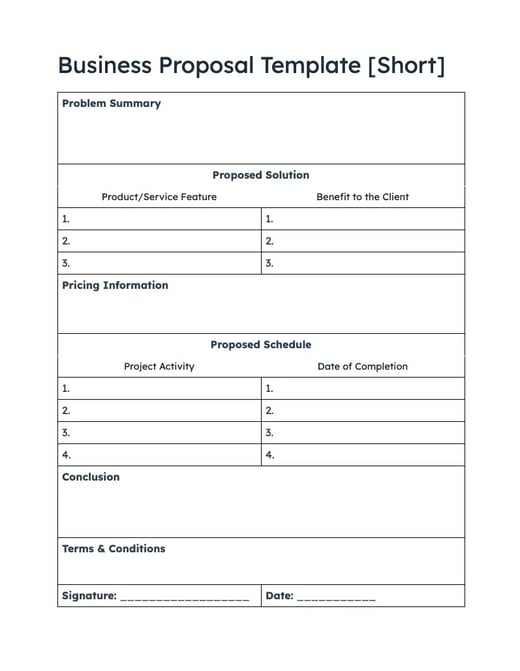
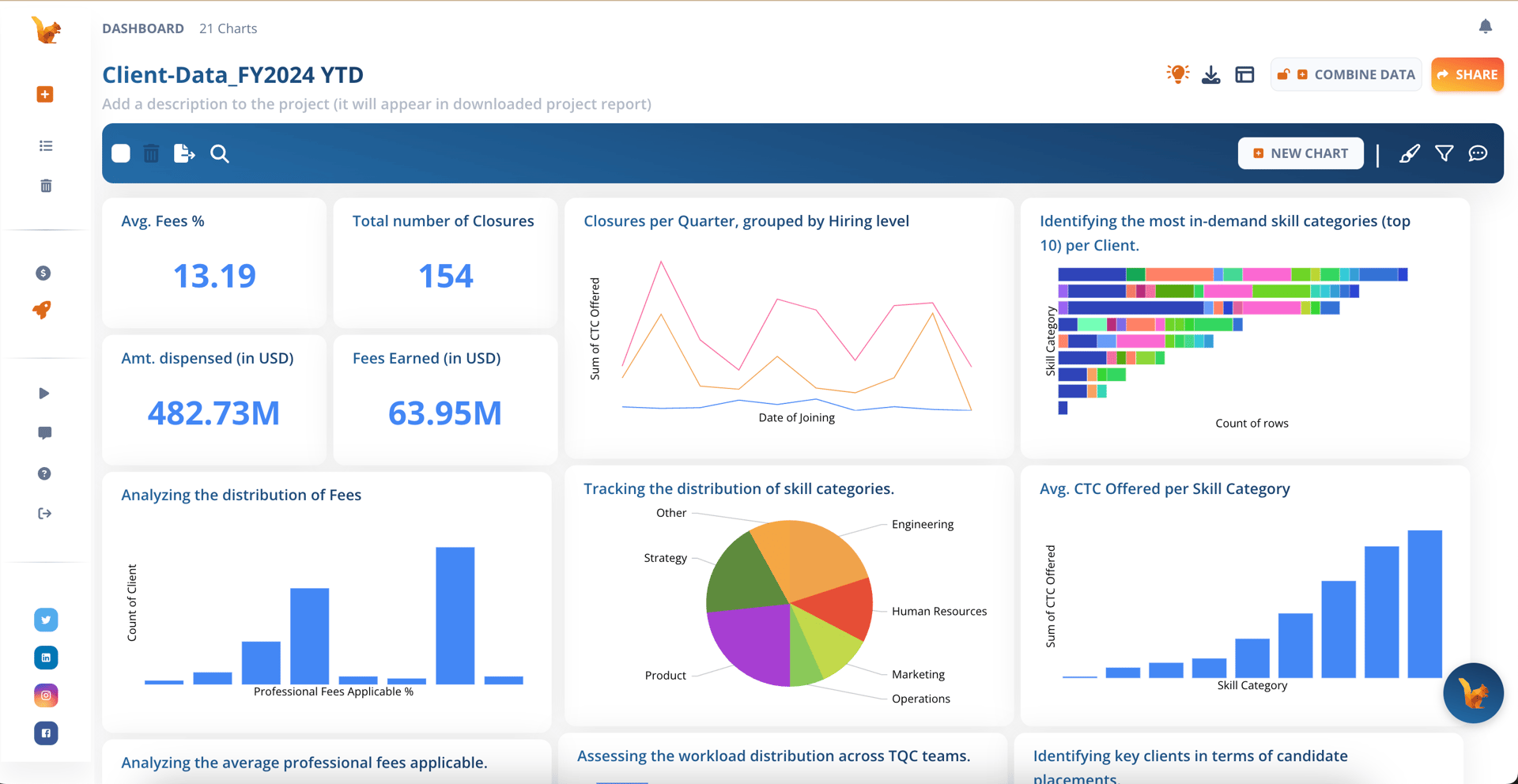
Below are examples of the type of results you can expect when you submit your project to ProAIEducation. These samples demonstrate the combined power of multiple AI engines working together with expert refinement.
1. Academic Research Sample (5 Pages)
Topic:The Impact of Artificial Intelligence on Higher Education
What You Get:
Full 5-page structured research
Introduction, body, conclusion
Citations (APA 7th)
Clear arguments supported by data
Polished grammar and professional formatting
Excerpt:
Artificial Intelligence (AI) is transforming higher education by enabling personalized learning pathways, automated assessment tools, and intelligent tutoring systems. Institutions that adopt AI-assisted learning technologies have reported up to 35% increases in student engagement…
2. Business Proposal Sample
Topic:Launching a Tech-Enabled Logistics Startup in Nigeria
What You Get:
Executive summary
Business model
Market analysis
SWOT & financial forecast
Operations plan
Competitive advantage
Excerpt:
The proposed logistics platform will leverage real-time tracking, AI-enhanced route optimization, and automated delivery scheduling. With an initial target of 1,000 monthly active users, projected revenue growth is expected to reach ₦18.2M within 12 months…
3. Data Analysis & Insights Sample
Task:Analyze customer feedback data and produce insights.
What You Get:
Cleaned dataset
Charts and visualizations
Insight summary
Recommendations
Excerpt:
71% of customers indicated fast response time as a key factor in satisfaction. Negative sentiment was most associated with “late delivery” and “poor communication.” We recommend automation of customer support channels using AI chatbots to improve resolution time by 40%…
4. Technical Writing / IT Documentation Sample
Task:System Architecture Documentation for a Fintech Payment App.
What You Get:
Architecture diagram
Workflow steps
API explanation
Security framework
Compliance checklist
Excerpt:
The platform operates using a microservices architecture with an event-driven communication model. All payment requests pass through an encrypted gateway powered by AES-256 security…
5. Coding & Software Assistance Sample
Task:Create a clean, optimized Python script for data scraping.
What You Get:
Fully working code
Explanation of functions
Error handling
Optimization
Excerpt:
import requests
from bs4 import BeautifulSoup

def scrape_titles(url):
    page = requests.get(url)
    soup = BeautifulSoup(page.content, "html.parser")
    return [title.text for title in soup.find_all("h2")]
Task:Write a compelling company story / About Us section.
Excerpt:
ProAIEducation began with one simple idea: to unlock the full power of Artificial Intelligence for everyone — students, professionals, businesses, and researchers. Today, we stand as a bridge between people and technology…
7. Resume & Professional Profile Upgrade Sample
Task:Rewrite CV to professional, international standard.
What You Get:
Achievement-based bullet points
ATS-friendly formatting
LinkedIn optimization
Excerpt:
• Improved data processing efficiency by 47% through automated workflow redesign. • Managed cross-functional teams across 3 departments to deliver projects ahead of schedule.
8. Presentation & Slide Deck Sample
Task:10-slide investor pitch deck.
What You Get:
Clear storytelling
Clean slides
Charts + icons
Financial tables
Excerpt: Slide Examples:
Problem
Solution
Product Overview
Market Size
Revenue Model
Traction
9. Letters, Reports & Corporate Documents
We produce polished versions of:
Recommendation letters
Memos
Company policies
Emails
Reports
Grant applications
Excerpt:
This report outlines the key operational improvements achieved during Q4…
SAMPLE PROJECTS
ROBOT WALL BUILDING CONCEPT Grid-Aligned Stacking Procedure (Horizontal Cylinders)
Concept: Treat the cylinders like “logs,” create horizontal rows, and alternate seams.
Steps:
Initialize Layout Grid:
Define a horizontal build area of 5 ft width and wall height of 5 ft.
Mark each row’s centerline to ensure straight placement.
Retrieve Block & Orient:
Pick a cylinder from storage.
Rotate it to horizontal orientation using end-effector rotation.
Place First Row:
Starting at left boundary, place cylinders side-by-side until the 5-ft width is filled.
Verify each cylinder’s axis is collinear using laser alignment.
Offset Next Row:
Begin the second row by shifting starting placement by ½ cylinder diameter (staggered joint pattern).
Place new cylinders above gaps of the previous row.
Repeat Until 5 ft Height Reached:
Use force sensors to ensure vertical stability as rows accumulate.
Perform a final scan to confirm height and alignment tolerances.
i. Vertical Cylinder Stacking Procedure (Column Method)
Concept: Stand each cylinder vertically and arrange them in a tight cluster pattern.
Steps:
Define Wall Footprint:
Map a 5 ft × 5 ft vertical plane.
Define circular footprints where vertical cylinders will sit.
Pick Up and Rotate Cylinder Upright:
Use slip-proof grippers to rotate each cylinder vertically.
Place Cylinders in Rows:
Place each cylinder upright along the base line, touching adjacent cylinders.
Use downward force control to ensure stable seating.
Bond or Interlink Cylinders:
Apply adhesive, mortar, or interlocking clips if required for stability.
Stack Additional Layers or Use Taller Cylinders:
Either use cylinders tall enough to span the entire 5 ft height OR
Stack shorter vertical cylinders end-to-end using alignment pins.
ii. Interlocking “Lincoln-Log” Procedure
Concept: Alternate cylinder orientation between layers to create interlocking strength.
Steps:
Set Orientation Matrix:
Row 1: All cylinders horizontal.
Row 2: All cylinders perpendicular to Row 1.
Repeat orientation pattern.
Place Base Layer:
Position horizontal cylinders side-by-side across the 5-ft width.
Place Perpendicular Layer:
Position the next row with cylinders perpendicular, resting securely on the lower row’s curvature using shaped grooves or mild adhesive.
Continue Alternating:
Build up layers until the wall reaches 5 ft height.
Adjust end cylinders to maintain boundary dimensions.
Structural Scan:
Robot uses lidar/camera to verify interlocking fit before finalizing the structure.
iii. Modular Block Carrier Procedure (Pre-Assembled Segments)
Concept: Build small sub-modules of cylinders, then assemble them into the wall.
Steps:
Create Sub-Modules:
Robot assembles 3–5 cylindrical blocks into rectangular “panels.”
Use straps, connectors, or adhesive for rigidity.
Transport Module to Build Area:
Robot uses two arms or a pallet system to move each module.
Place and Align Modules:
Insert each module into the wall plane with precise positioning.
Use clamps temporarily to hold modules while bonding dries (if applicable).
Stack Modules Vertically:
Continue placing modules until reaching full height.
Fill gaps with individual cylinders.
Perform Joint Reinforcement:
Add vertical rods, foam fill, or adhesive along seams for stability.
iv. Robotic Mortaring & Cylinder Placement Procedure
Concept: Apply adhesive/mortar between cylinders for a masonry-like approach.
Steps:
Mix/Prepare Adhesive:
Robot loads dispensing nozzle with bonding material.
Test bead for consistency.
Lay Base Mortar Line:
Dispense a consistent adhesive line along the base.
Add cylinders row by row until the wall reaches 5 ft height.
Use smoothing tool to finish exposed mortar joints and ensure bonding uniformity.
LIVE PREVIEW
What these show & why they’re useful
There are real systems — like Hadrian X — that can automate wall construction, placing large masonry blocks precisely using a robotic arm mounted on a mobile platform. New Atlas+2Construction Dive+2
Another example: a 12-ton autonomous robot (called HEAP) demonstrated building a freestanding wall out of natural boulders/concrete blocks — by scanning, sorting, and stacking material autonomously. Interesting Engineering
Some research prototypes (e.g. a mobile “fabricator” robot) have built full-size walls at 1:1 scale, using digital fabrication and automated placement. arXiv+1
These images give a good sense of real-world scale, how a robotic arm or mobile robot can place heavy blocks, and how wall-building by robots is already feasible — even if actual cylindrical-block walls remain conceptual.
How to use these for your wall design
The diagrams show staggered stacking patterns, which can help distribute load and improve structural stability.
Some sketches illustrate alternating layers: for example, cylinders laid horizontally in one layer, then perpendicular in the next — similar to traditional “log-house” methods.
Others show a CAD / blueprint view, useful if you want to program a robot: you can adapt such diagrams for positioning each block, defining placement coordinates, and planning a build sequence.
ELDERLY CARE: A COMPLETE GUIDE
A Seven-Chapter, Twenty-One-Page Book
Chapter 1 – Understanding Elderly Care
(Pages 1–3)
Page 1 — Introduction to Elderly Care
Elderly care refers to the support, assistance, and services provided to older adults as they experience age-related changes in physical, emotional, cognitive, or social functioning. As life expectancy increases globally, nations, families, and care systems face growing responsibility to ensure older adults age with dignity, independence, and comfort. Elderly care is not simply about managing decline; it’s about enhancing quality of life, maintaining autonomy, and preserving identity as individuals navigate later life stages.
Page 2 — Key Principles of Elderly Care
The foundation of elderly care relies on several universal principles: dignity, respect, autonomy, safety, and compassion. These principles guide caregivers, healthcare workers, policymakers, and family members. Dignity means preserving the elder’s right to be treated as a person of value; autonomy involves upholding their right to make decisions about daily life. Safety includes both physical protection and emotional security, while compassion reminds caregivers to view care not as a task but as a relationship built on empathy.
Page 3 — Aging and Its Implications
Aging is a complex biological and social process. Physical changes can include reduced mobility, decreased muscle strength, and sensory changes; cognitive changes may involve slower processing or memory challenges. However, aging also brings wisdom, resilience, and a desire for meaningful social roles. Recognizing both the strengths and vulnerabilities of the elderly helps in creating care systems that empower rather than diminish their humanity.
Chapter 2 – Physical Health and Well-Being
(Pages 4–6)
Page 4 — Common Physical Health Conditions
Older adults often experience chronic conditions such as hypertension, arthritis, diabetes, heart disease, and osteoporosis. Monitoring these conditions through regular checkups enables early detection and intervention. Preventive practices—balanced nutrition, appropriate medication management, and physical activity—reduce risks and improve overall function.
Page 5 — Mobility and Fall Prevention
Falls represent one of the most significant dangers to elderly individuals. Care involves strengthening muscles through tailored exercises, removing household hazards, installing supportive devices (like grab bars and non-slip mats), and ensuring proper footwear. Mobility-enhancing devices—including walkers, canes, and wheelchairs—promote independence when used correctly.
4
Page 6 — Nutrition and Hydration
Proper nutrition supports energy levels, immune strength, and wound healing. Diets rich in fruits, vegetables, lean proteins, and whole grains are recommended. Hydration is equally critical, as older adults may not feel thirst as strongly. Caregivers must watch for signs of dehydration, such as confusion, dizziness, or dry mouth. Dietary plans may need adaptation for conditions like diabetes or kidney disease.
Chapter 3 – Mental and Emotional Health
(Pages 7–9)
Page 7 — Mental Wellness in Aging
Emotional well-being is central to aging gracefully. Many elders maintain strong emotional resilience through life experience. However, social isolation, grief, chronic illness, and reduced independence can take a toll. Care should involve active listening, engagement, and meaningful social connections.
Page 8 — Depression, Anxiety, and Dementia
Depression is not a normal part of aging; neither is chronic anxiety. Signs include persistent sadness, withdrawal, sleep changes, or loss of interest in activities. Dementia, including Alzheimer’s disease, affects memory and cognition. Early diagnosis allows for symptom management, safety planning, and emotional support for both the elder and their family.
Page 9 — Activities for Brain and Emotional Health
Engaging the mind promotes neuroplasticity and emotional balance. Activities such as puzzles, reading, music therapy, art, gardening, and social visits help maintain cognitive strength. Practicing mindfulness or simple breathing exercises reduces stress and improves emotional stability.
Chapter 4 – Social Well-Being and Community Support
(Pages 10–12)
Page 10 — Importance of Social Interaction
Social connection plays a pivotal role in elderly happiness and longevity. Relationships with family, friends, neighbors, and community members provide emotional security and prevent loneliness. Maintaining social identity—even in later stages of life—helps older adults feel valued.
Page 11 — Community Programs and Support Groups
Senior centers, religious groups, neighborhood associations, and volunteer programs offer opportunities for elders to stay active and engaged. Many communities also provide adult daycare programs, transportation services, and wellness classes that enrich daily life.
4
Page 12 — Technology and Social Connectivity
Technology—such as video calls, social media, remote health monitoring, and online classes—helps elders stay connected and engaged. Teaching older adults how to use smartphones or tablets enhances autonomy and reduces isolation.
Chapter 5 – Home-Based Care and Daily Living Support
(Pages 13–15)
Page 13 — Activities of Daily Living (ADLs)
ADLs include bathing, dressing, grooming, eating, toileting, and mobility. When elders struggle with these tasks, caregivers step in to assist while promoting independence wherever possible. Respectful support and privacy are essential.
Page 14 — Home Safety and Adaptation
A safe home environment is critical. Adaptations include adequate lighting, clutter-free pathways, secure stair rails, and accessible bathroom fittings. For elders with memory challenges, labeling important items or using color-coding can reduce confusion.
Page 15 — In-Home Care Services
Home care may include personal care aides, nurses, physical therapists, or specialized caregivers. This model allows elders to remain in familiar surroundings. Family members often serve as primary caregivers and benefit from respite services to prevent burnout.
Chapter 6 – Long-Term Care Options
(Pages 16–18)
Page 16 — Assisted Living Facilities
Assisted living combines independence with supportive services. Residents may receive help with meals, medication, mobility, or daily activities while enjoying private rooms and communal spaces.
Page 17 — Nursing Homes and Skilled Care
Nursing homes provide round-the-clock medical care for elders with significant health needs. Skilled nursing involves rehabilitation services, wound care, and medication administration. Families should evaluate facilities based on staff training, cleanliness, resident engagement, and safety protocols.
Page 18 — Hospice and Palliative Care
Palliative care focuses on quality of life by managing pain, symptoms, and emotional distress. Hospice is for individuals nearing end of life and emphasizes comfort, dignity, and family support. These services provide holistic care for both the elder and their loved ones.
Chapter 7 – Supporting Caregivers and Ethical Considerations
(Pages 19–21)
Page 19 — Caregiver Challenges and Solutions
Caregivers often experience stress, fatigue, and emotional overload. Effective coping strategies include support groups, respite care, balanced scheduling, and learning proper care techniques. Recognizing caregiver needs ensures they remain healthy and present for their loved ones.
Page 20 — Ethical and Cultural Considerations in Elderly Care
Ethical care respects the elder’s autonomy, privacy, and right to self-determination. Decisions about medical treatment, living arrangements, and end-of-life care must involve the elder as much as possible. Cultural traditions influence family roles, diet, rituals, and communication styles—care must honor these values.
Page 21 — The Future of Elderly Care
Advances in technology, medicine, and social support promise a brighter future for aging populations. AI health monitoring, smart homes, telemedicine, and improved public policies will expand elder independence. The global shift toward valuing the wisdom and contributions of older adults will shape more compassionate care systems. Ultimately, elderly care is a shared societal responsibility requiring commitment, respect, and love.
References
World Health Organization. Ageing and Health. WHO Press, 2021.
National Institute on Aging. Guidelines on Caregiving and Healthy Aging, U.S. Department of Health & Human Services.
Brody, E. M. Aging and the Family: Theory and Caregiving Practice. New York: Routledge, 2017.
What You Send — We Deliver
ProAIEducation can complete: ✔ Research ✔ Business documents ✔ Data analysis ✔ Assignments ✔ Coding ✔ Technical writing ✔ Creative projects ✔ Reports ✔ Proposals ✔ Presentations ✔ All custom requests